






Even in the wake of LB140, consistent enforcement of the new phone policy is needed to make it truly successful.
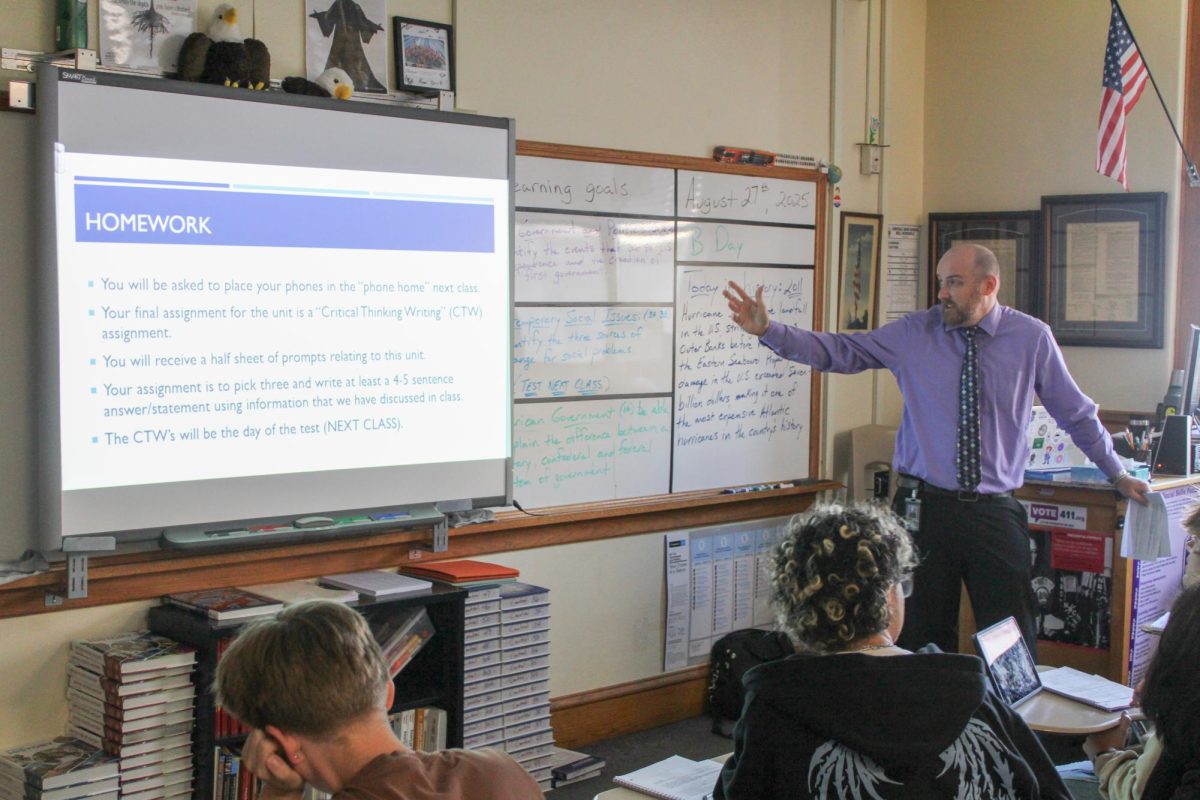
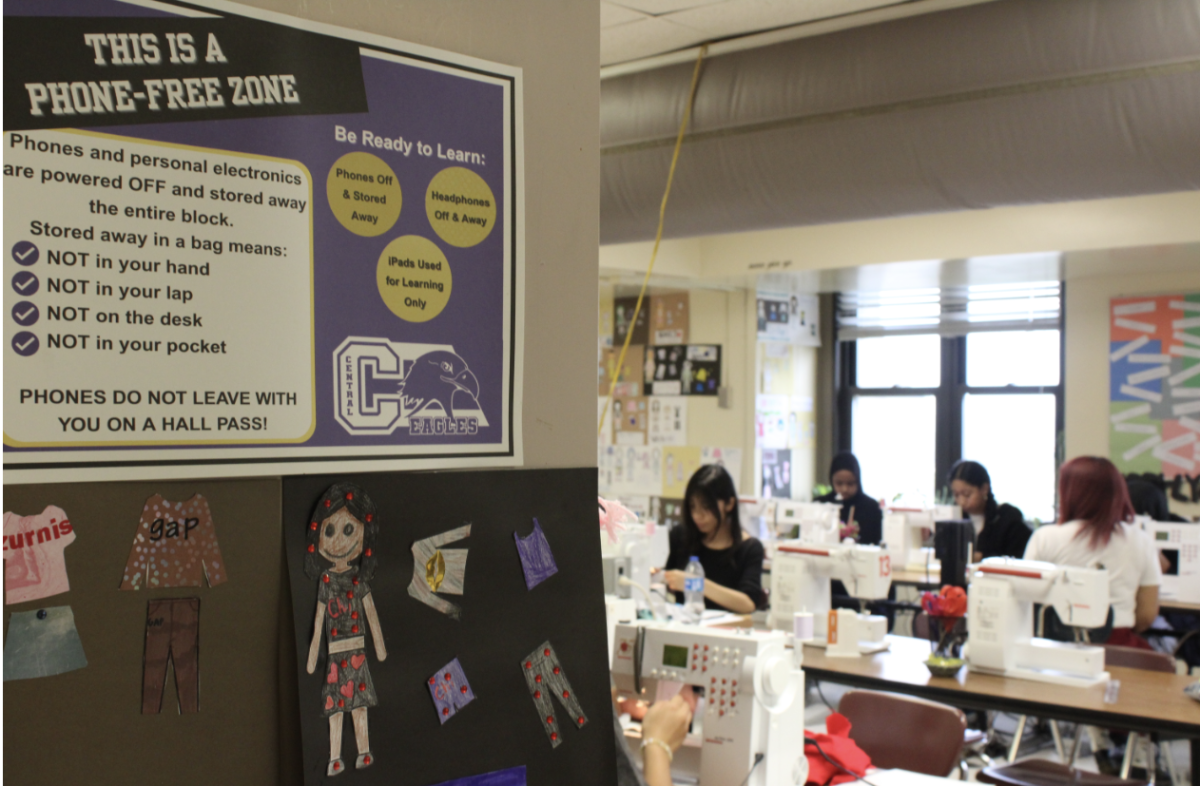
While discretion was given to the districts to decide what this meant for them, Omaha Public Schools policy is similar to those in other districts in the Metro area, like Millard Public Schools, Papillion-La Vista Public Schools and Bellevue Public schools. All the schools mentioned have adopted phone policies that require student devices to be out of sight during instructional time but allow high school students to access them during passing period and lunch.
OPS has defined any student devices as a personal electronic device (or PED), and that includes cell phones, laptops, smart watches or any non-school issued device.
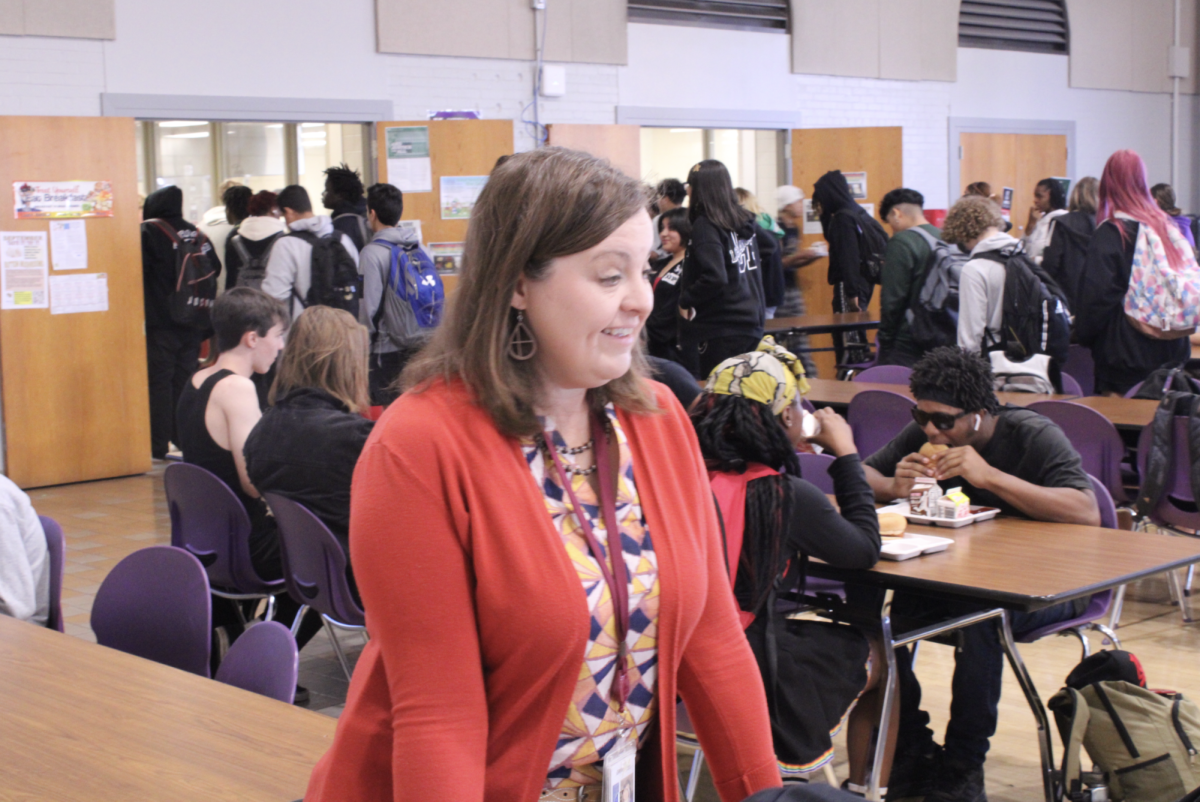
“Our policy is to put the phone in detention, not the student,” Assistant Principal Jodi Dierks said. “We are reteaching and reminding students to power off their PED and put it in their backpack for the entire 90-minute block. If a student refuses after multiple reminders, teachers will then call for security to escort the student to their administrator, where further reminders and reteaching will take place. The administrator may apply consequences if needed.”
In the article I wrote around this time last year, “Central should adopt even stricter phone policies,” I pointed out the inconsistencies in enforcing the phone rules around the building, and I think that has been mended slightly by the continued “surprise visits” from administration throughout the day. One of my teachers let their class use phones for the last minute of one block, and who else showed up but Assistant Principal and Activities Director Dierks. That teacher is now one of the strictest on the phone policy.
But should it take getting caught by your boss for teachers to care about student’s phones?
I know there is always the argument that it is on the student, and it is their responsibility to care for their own education, but at some point, it gets too far. Teachers should care about the new phone policy and should be enforcing it in their classrooms. I should not feel more disheartened than my teachers when I am still looking around and seeing most of my classmates looking down at their phones while the teacher is lecturing.
As I reported last year, “According to The United Nations Educational, Scientific and Cultural Organization (UNESCO), in its 2023 Global Education Monitoring Report, there is little valuable data that shows technology has a positive impact on education. The same report even called for a ban on smartphones at school, a claim that is bolstered by data from Spain showing reduced bullying, and data from Norway and Belgium seeing improved academic performance.”