




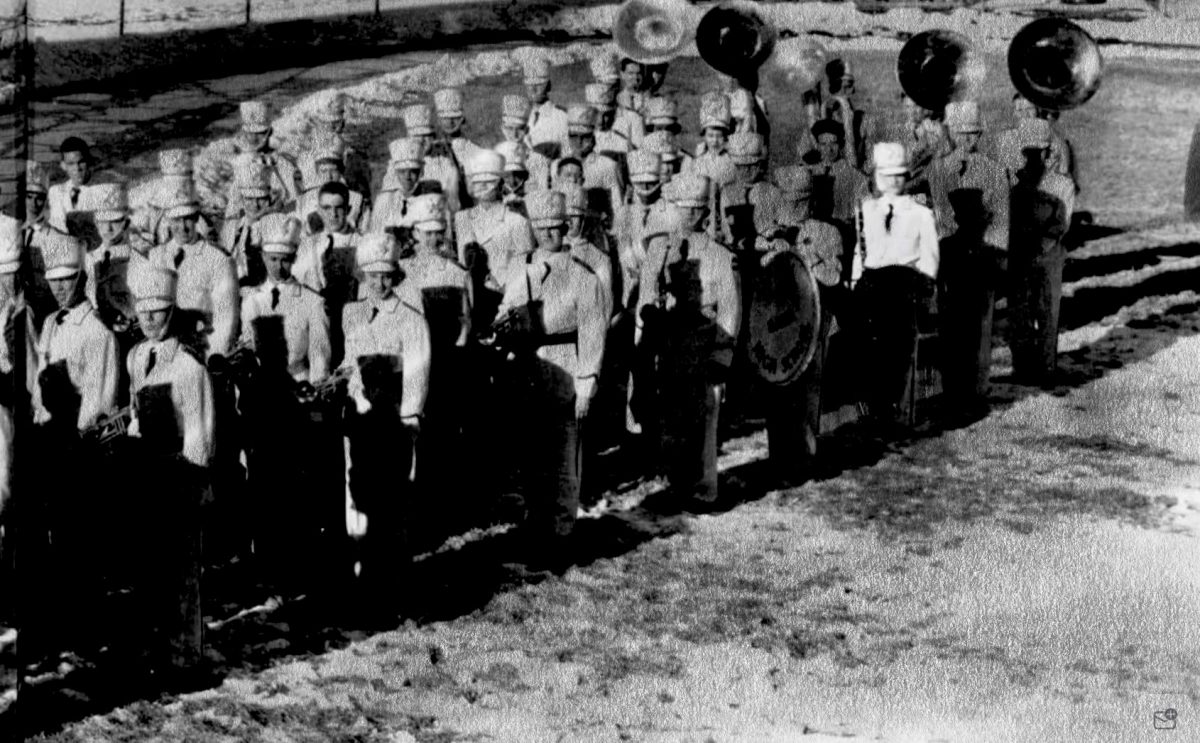

Central High School will transition from department heads to curriculum specialists for the 2026-27 school year.
Omaha Public Schools staff in curriculum instruction and support, school improvement and talent services worked with Central Principal Dionne Kirksey to reach the decision, with the goal of improving attendance, graduation and on-track rates, among other metrics.
In the middle of the 2025-26 school year, 34.9% of students were off-track for graduation. Of the 2,382 students enrolled in the first semester, 21.70% were at moderate risk for chronic absenteeism, and 35.10% were severely absent, meaning they were absent for at least 20% of class time.
Regarding the decision, Kirksey said, “I have to look at where we are, but most importantly, I need to look at where we need to go and how we need to close stuff.”
Although the decision is meant to improve Central’s learning environment, teacher concerns about potential drawbacks run high, as do doubts about the necessity of the change.
Department heads differ from curriculum specialists in that they teach a partial schedule. The other portion of their workload is devoted to coaching visits, teacher observations and evaluations, managing the departmental budget and annual teaching schedule. Beyond the work they do within their own departments, department heads attend department head, administrative and district-level meetings. They also work with experts in curriculum instruction.
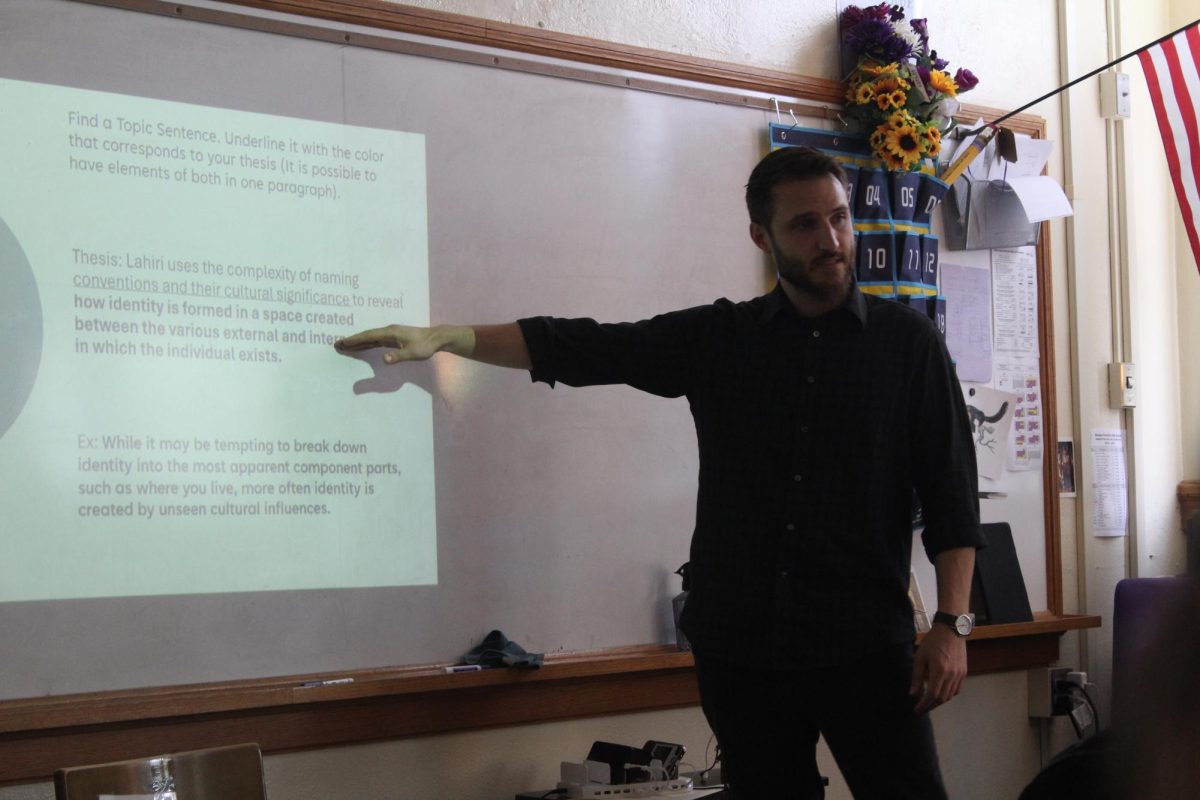
Central has 14 department heads and will have six curriculum specialists next year. Of the six, three are current department heads: English department head Jon Flanagan, social studies department head Jimmie Foster, and International Baccalaureate Program Director Paul Nielson. Dr. Christy Flaherty-Colling, who will oversee science next year, is the current pathways and special projects coordinator.
The other future curriculum specialists are music teacher Jeff Mount and Jillian Roger, who is currently a social studies teacher at Marian High School.
Special Education and the English learner department will keep their department heads.
A common teacher concern is that the condensing of departments could lead to less subject-specific support if the curriculum specialist doesn’t have a background in a subject under their purview.
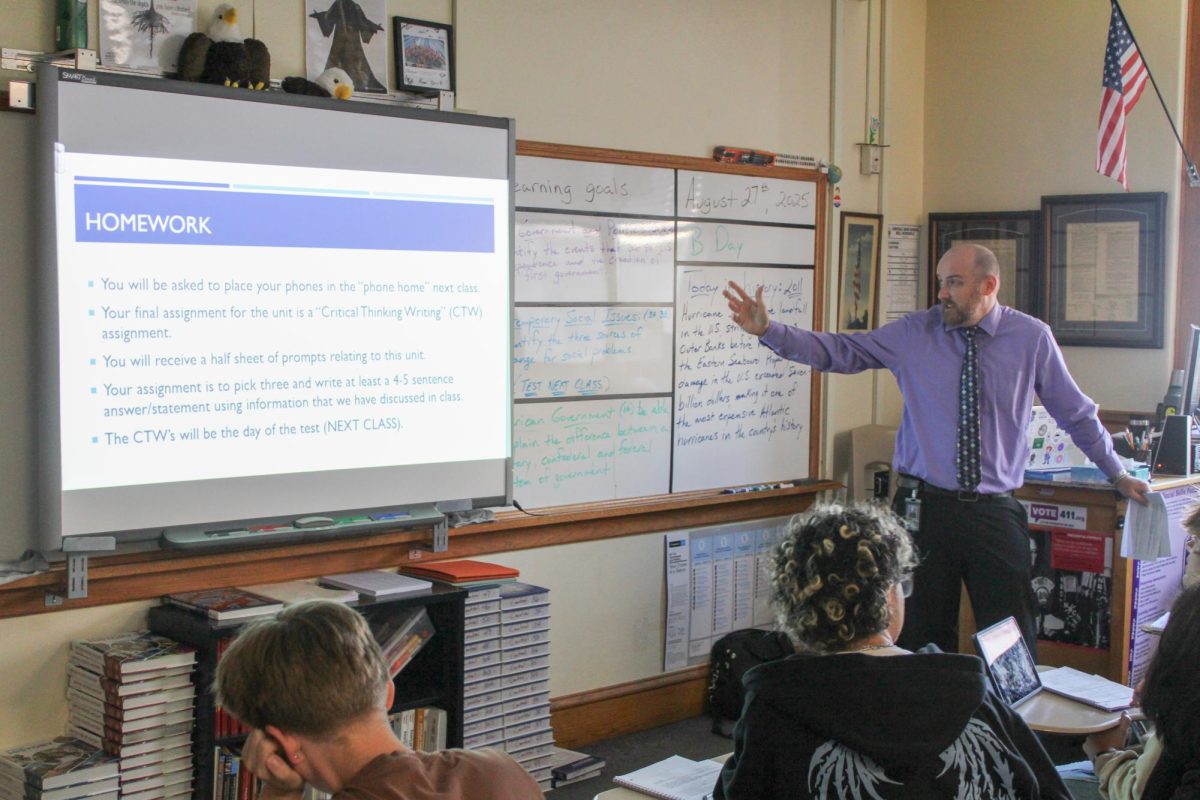
“When I became a high school teacher, I had to take a methods and practices class in English and in history. So, I had to learn the best practices to instruct young people in those subject areas, and they were not the same. They were two separate classes,” social studies teacher Casey Denton said.
Foster, who will be stepping into a curriculum specialist role overseeing social studies, world languages and physical education, touched on these concerns while addressing the unique challenges he predicted from the transition.
“I’ve been social studies through and through since I’ve been in this building, and so it would probably be hard to not think social studies first,” he said. “That’ll probably be something that I’ll have to keep reminding myself about.”
OPS Chief Talent Officer Dr. Collette Nero acknowledged that a curriculum specialist may not have a depth of knowledge across all subjects but maintains that the instruction they provide is more geared towards best educational practices, regardless of subject.
“Teachers are experts in their content. And we have, at the district level, teaching and learning consultants that have the content knowledge. The curriculum specialist is really looking at how do we make the curriculum come alive and how do they support teachers in doing that,” Nero said.
Nero stressed that teacher support always involves a collaborative learning process. In cases where a curriculum specialist must provide subject-specific instruction, similar resources are available, such as teaching and learning consultants or university partnerships. Principals without expertise in certain content areas also utilize these resources fortraining.
OPS does not typically encourage or recommend one educational model over another, Nero said. Instead, district officials discuss the advantages and disadvantages of each modeland felt that Central would benefit from the switch because the department heads’ split duties limit the support available at Central. Central is the only OPS high school with department heads.
“When you look across the district at the different models that are in place, you want to make sure each school has adequate resources and we’re providing a consistent experienceacross our schools,” Nero said. “We wanted to make sure that Central has the benefit of that additional support on their leadership team.”
Science teacher Matt Hamill does not believe the change to curriculum specialists is related to scores.
“If you were making the decision related to scores academically, Central High has been and continues to be the top academic school in OPS,” he said.
According to the data from the state of Nebraska, Central has consistently outperformed the district’s average in graduation rates and ACT proficiency. In the 2024-2025 school year,Central’s graduation rate surpassed the district-wide average by 3.5%. The percentage of Central students who met the ACT benchmarks on English Language Arts, mathematics and science was more than 75% higher than the district average for each of the tests. For example, 20.78% of Central students met the ACT benchmark for ELA, which is 86% higher than the 11.16% of students across the district.
However, Central’s chronic absenteeism rate has increased annually by around 2% from 50.95% in 2020-21 to 58.88% in 2024-25. In contrast, the district-wide rate has remainedstagnant at just under 40%.
“I think Central is outstanding. And I think Central has had a lot of historic traditions and systems and institutions that have allowed it to maintain a certain standard of excellence around its time. And I think the department head model is one of those things,” Denton said.
Nero is unsure that the department head model is a direct contributing factor to Central’s academic outperformance of other OPS high schools.
“Imagine if Central does have additional individuals that are focused full-time on that, they’re able to dig into that data because everyone has room to grow. So even if [Central is] performing better than other schools, there’s still a lot of room for growth,” Nero said.
Eric Behrens, who will be Central’s principal next year, worked with curriculum specialists as an assistant principal for three years at Westview High School.
“If things are aligned properly and use the position the way that is meant to be used, it can be a tremendous asset to students and to your classroom,” he told the Register in a March 25 article.
From an administrative perspective, math department head Brent Larson understands why a curriculum specialist model may be more beneficial.
“If I had a teacher that I needed to go in and observe or a teacher to go in and help, right now, my only blocks that are open are first and fourth block. If there was a teacher that needed help during second or third block, I’m tied up and I can’t help,” Larson said.
Larson did not apply for a curriculum specialist position because of how much he enjoys being in the classroom. Science department head Tracy Rumbaugh opted out for similar reasons.
“As a person in the [department head position], it gets harder every year to do my job and split my time equally between the two positions and to split the way I’m thinking equally about the two positions. So, in that sense, I support it. But on the no side, I truly believe in the department head philosophy,” Rumbaugh said.
Teachers like Hamill and Denton acknowledge that curriculum specialists would recognize good teaching practices regardless of their background, but they maintain the superiority of the department head model because department heads actively teach in classrooms.
“Our department heads, part of what makes them so great is because they’re in the classroom. And because they are in the classroom every single day, that gives them a greaterempathy and understanding,” Hamill said.
In a survey of Central staff, respondents indicated the methods they thought would be most effective at bringing about the changes the district hopes to achieve with the switch to curriculum specialists. The most popular was modifying the student schedule into a nine-period or modified block schedule, which Central will have next year. Other solutions included increased accountability of students and parents over attendance and more teacher support without unnecessary restrictions.
Foster was strongly in favor of keeping the current model in place. However, once it became clear that Central would transition to curriculum specialists, he applied for the positionbecause he wanted to ensure that Central would head in a direction that continued to help Central and its students.
Foster thinks his curriculum specialist job will have some added responsibilities, but he is unsure about the nature of those responsibilities. He empathized with teacher concerns about less subject-specific support.
“I think that’s something that can’t be answered. You just probably have to wait and see how it goes and keep adapting as you hit each situation,” he said.