






LB258, which was passed by the Nebraska Legislature, lowers the $15 per hour minimum wage to $13.50 for teens and goes into effect on Jan. 1 of 2027. It was passed on Feb. 5 and signed into law by Governor Jim Pillen on Feb. 9.
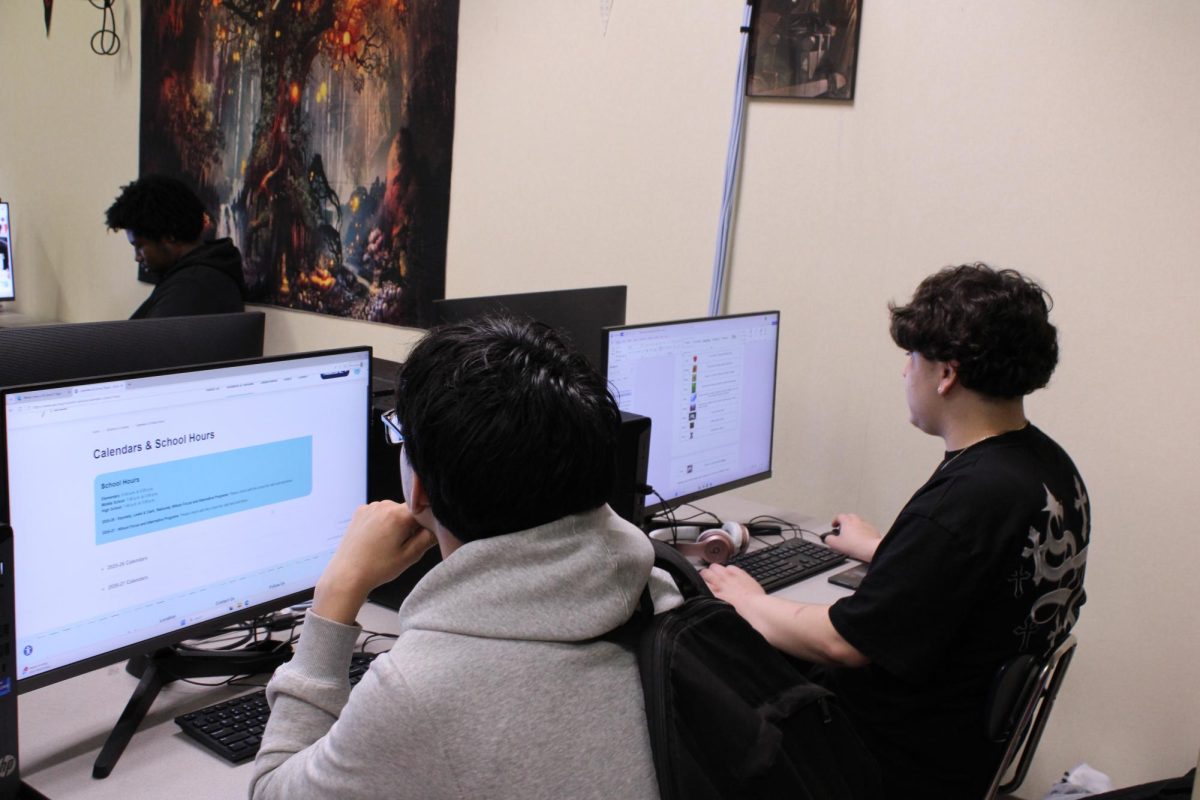
Four students were interviewed on their thoughts on LB258 and its potential impacts: senior Ella Shafer, who is involved in DECA, Nate Crump, José Arcos and Jakobi Williams, who are all currently in the workforce and are juniors.
When asked about their thoughts on the wage decrease, all four did not support the decrease, but three of the four have differing viewpoints.
Shafer said that prices don’t change for a teen compared to an adult. When both go out to buy necessities, the teen has a lower minimum wage compared to the adult, which doesn’t make sense because the teen is getting less money for what they need.
Crump, Arcos and Williams agree that the decision is bad but say that it isn’t bad as it seems to be. “About the pay decrease, honestly, it sucks, but I don’t think that it’s that much of a problem, because what are 15, 16 ,17-year-olds really doing with their money?” Williams said.
He added he would love to stick to the $15 per hour rate, followed by saying that $13.50 isn’t that bad for a teen.
“I also think that it’s sucky, but also not really a problem, I really don’t mind, as long as I still get paid,” Arcos said.
When asked about the effects of the wage decrease, all said that there will be “outrage” among teenagers at this decision.
Shafer said that businesses are going to need more people than their current hire rate and try to advertise jobs with less pay which leads to them not finding anyone who is willing to work for less pay.
“Honestly, I feel like teens probably won’t want to work until they’re getting the minimum wage,” Shafer said.
Arcos said that other teens will get mad because of getting paid less than before and he didn’t know about the wage decrease but doesn’t mind.
“I think a lot of other teens will be outraged. They think that this is unfair,” Williams said.
“It feels like it will give teenagers less freedom to do what they want and still doing the same work for less amount of pay, it seems unfair to them,” Crump said.
Despite the negatives of LB 258, the students felt there could be one potential positive: “The only thing I would say is maybe people would be more interested to be involved in the school if they’re not getting as many jobs as much,” Shafer said.