



In the early morning hours of the third day in the new year, former Venezuelan President Nicolás Maduro was captured by US troops in Caracas. Shortly after his capture, he was extradited to New York City to face criminal charges for drug trafficking.
The Trump Administration announced that they will control Venezuela indefinitely until proper presidential elections have taken place and a new president is sworn in.
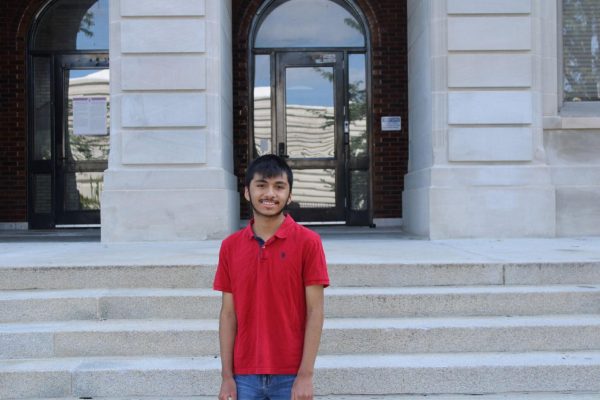
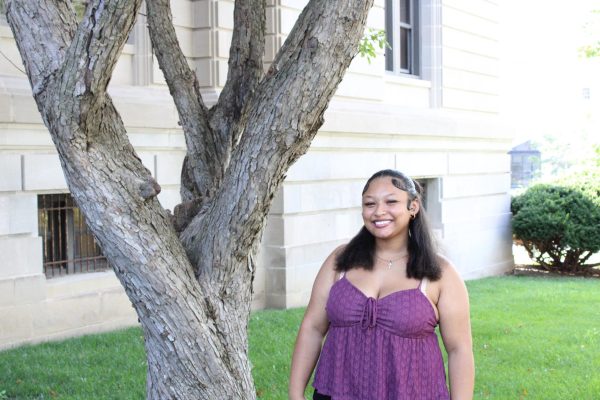
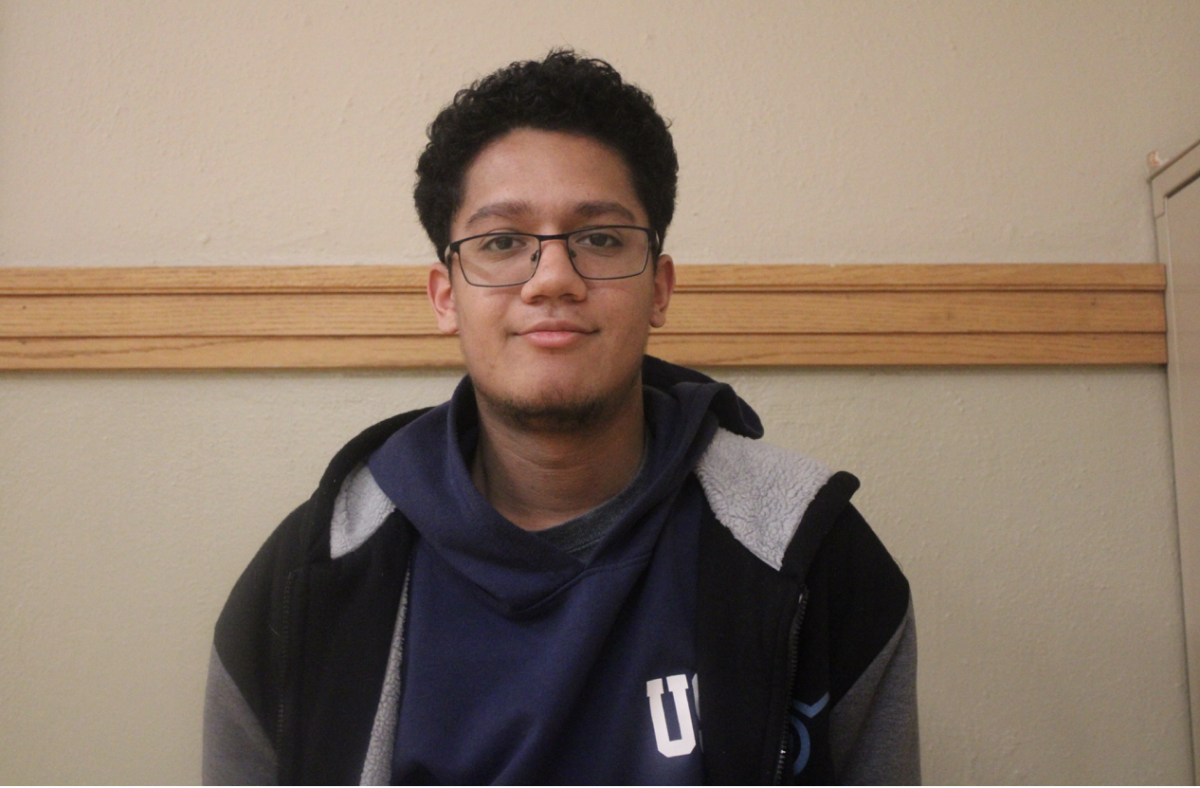
The Register interviewed two students on their stance on the ongoing events in Venezuela around Maduro’s capture and further U.S. involvement. Those students were Yilver Vezga, who is from the state of Táchira and has lived in Omaha since 2024; and Jesús Landaeta, from Venezuela’s Federal District and who has lived in Omaha for three years.
Maduro was sworn in as interim president in 2013 after former President Hugo Chávez’s death and he later won the special presidential election that same year. He was reelected in 2018 and in 2024, which were disputed and other countries including the U.S that said the elections were illegitimate. During his three presidential terms, Maduro has faced accusations of corruption, human rights violations and more along with 8 million people leaving the country.
When asked about Maduro not being in power anymore, their responses were glad that Maduro is out. Vezga said Maduro has a lot of stuff to pay for, and he was accused of being involved in a drug cartel.
“He deserved it, in other words, because Maduro is a bad president and a bad person,” Landaeta said.
OPS did not provide data on the number of students from Venezuela in the district or at Central.
When asked about further US involvement in Venezuela, the responses were mixed. “This Donald Trump, he’s leading like a leader of Venezuela, while paying the 500 barrels of oil,” Vezga said, referring to Trump selling off up to 50 million barrels of Venezuelan oil to the U.S. at an estimated price of $500 million.
Landaeta said Maduro kept the country poor without food. The people tried to protest against him, tried to oust him in any way, and “someone had to intervene and it was Trump, the one who intervened.”
When asked if any family or friends were affected by the attacks, both said no. Even though Landaeta said no, he has family in Caracas, “where the bombings occurred and they could hear what happened, and nobody was affected, luckily,” he said.